Pięćdziesiątnica jako urzeczywistnienie Nowego Testamentu

Interesujące przemyślenia Walentyna Tomberga z okazji Pięćdziesiątnicy. Tomberg urodził się w 1900 r. w Sankt Petersburgu w rodzinie luterańskiej. Już jako młodego człowieka zainteresowała go tradycja rosyjskiego ezoteryzmu chrześcijańskiego,Tomberg_1936 który zaczął uprawiać pod wpływem Włodzimierza Sołowiowa i osobistego doświadczenia spotkania z Sofią (Boską Mądrością) w jednej z holenderskich katedr. Pod auspicjami Towarzystwa Antropozoficznego wygłaszał odczyty w Holandii i Anglii oraz pisał książki poświęcone ezoterycznemu rozumieniu Biblii i chrześcijaństwa. Opuścił jednak Towarzystwo około 1940 r. Następnie przeszedł na katolicyzm, mieszkał w Anglii i pracował dla BBC, zarazem poświęcając czas medytacji i pisaniu. Zmarł w 1973 r.

Poniższy tekst zaczerpnęliśmy z książki Tomberga Christ and Sophia. Anthroposophic Meditations on the Old Testament, New Testament and Apocalypse. Ponieważ powstała ona w tzw. okresie antropozoficznym w życiu autora, dodajemy do niego odnośniki do tekstów, zawierających rozwinięcie pewnych pojęć w duchu antropozofii. Mamy nadzieję, że dzięki temu będzie Wam łatwiej zrozumieć myśl autora. Polecamy również lekturę wprowadzenia do antropozofii autorstwa prof. Marii Ziemskiej, które znajdziecie tutaj.

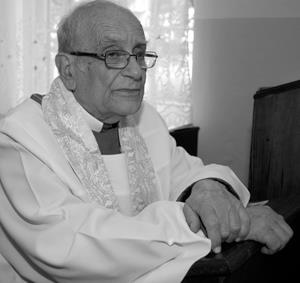
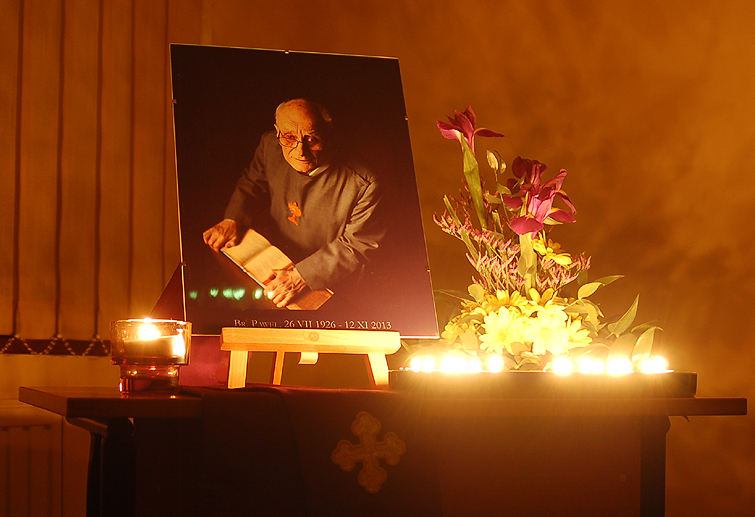
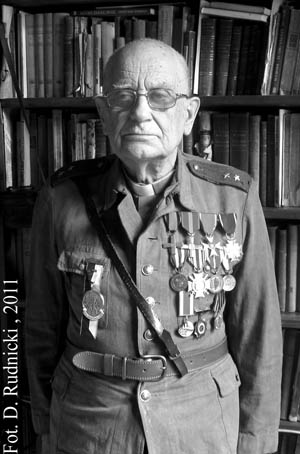
W przeszłości zamieściliśmy już inny fragment tekstu Walentyna Tomberga (o chrześcijańskim hermetyzmie). Wspominał o nim także ks. prof. Rudnicki w udzielonym nam swego czasu wywiadzie.

Wiodącym tematem Starego Testamentu jest przygotowanie i urzeczywistnienie przyjścia Chrystusa w ludzkim ciele; natomiast Nowego Testamentu przyjście Chrystusa w ludzkim „ja”. „Nowy zakon” nie jest w rzeczywistości prawem, ale formowaniem istoty wolnego ludzkiego „ja”. Jest to niemożliwe dopóki ludzkie „ja” nie wchłonie tego, co stanowi „nowy zakon”. To wchłonięcie musi obejmować coś, co nie powstaje na zewnątrz, ale pochodzi z głębi świata, w którym zakorzenione jest ludzkie „ja”. Roślina przyjmuje swoje soki z gleby, w której jest zakorzeniona, tak samo istota Chrystusowego impulsu powinna wkroczyć w ludzkie „ja” z „gleby”, w której to „ja” jest zakorzenione. Za pomocą czego dokonuje się to w uczniach stanowi esencję pożegnalnych mów Chrystusa zapisanych w rozdziałach 8-17 Ewangelii wg św. Jana. Istotą tego, co tam powiedziano, jest: Byłem z wami jako wasz mistrz; teraz odchodzę do Ojca, abym mógł być w was jak Ojciec jest we mnie. Tak więc rzecz w tym, że „ja” Jezusa Chrystusa miało przejść w „ja” innych; „ja”, które żyło w jednej ludzkiej postaci, musiało znaleźć drogę do wewnętrznego „ja” innych, nie naruszając w najmniejszym stopniu wolności tego “ja”.

Przejście do innego „ja” jest możliwe jedynie przez sferę, która stanowi pierwszą przyczynę i pierwotne miejsce pobytu ludzkiego „ja” – rzeczywistość Ojca. Ludzkie „ja” pochodzi od Ojca i jedynie z Jego rzeczywistości może pochodzić taki wpływ na nie, który byłby zgodny z zasadą wolności. To dlatego Chrystus musiał  podążać drogą, która prowadzi, poprzez Ojca, do ludzkiego „ja”. Z zewnętrznego punktu widzenia była to droga śmierci, jednak z wewnętrznego oznaczała ona całkowite zjednoczenie z Ojcem. Droga śmierci doprowadziła do zmartwychwstania, droga Ojca, natomiast, do Pięćdziesiątnicy. Śmierć i Ojciec to dwa aspekty tego samego misterium; podobnie zmartwychwstanie i Pięćdziesiątnica były dwoma aspektami misterium Golgoty. W rzeczy samej, zmartwychwstanie było zwycięstwem nad Arymanem w ciele, a Pięćdziesiątnica zwycięstwem nad Lucyferem w duszy [więcej na temat Lucyfera i Arymana w antropozofii przeczytacie w tym tekście Jerzego Prokopiuka]. Zmartwychwstanie oznacza zmartwychwstanie ciała, zaś Pięćdziesiątnica zmartwychwstanie duszy.

Pięćdziesiątnica była zmartwychwstaniem duszy w tym sensie, że ożywiła mądrość, która zjednoczyła się z duszą. Życie duszy nie powstawało jedynie z uczuć, ale z pełnych mocy postrzeżeń misterium Chrystusa – postrzeżeń, które wyrastają z najgłębszej głębi serca. Prawdziwe znaczenie serca można zrozumieć studiując Pięćdziesiątnicę; powszechne rozumienie serca znajduje się w tym samym związku z doświadczeniem Pięćdziesiątnicy jak Księżyc odnosi się do Słońca. Zmierzch nadziei i lęków serc został zastąpiony przez jasną światłość miłości, która poznaje. Niewzruszona wewnętrzna pewność, jaką posiadali apostołowie w odniesieniu do misterium Chrystusa, nie opierała się na autorytecie zmysłów zewnętrznych bądź wewnętrznych, ale na ich doświadczeniu rzeczywistości miłości. Ponieważ  apostołowie doświadczyli tej rzeczywistości w swojej duszy, poznali również drogi i sposoby, za pomocą których miała ona dalej wpływać na świat. Wiedzieli również, że to, co odczuwali w duszy, było tym samym doświadczeniem, które stało się udziałem Jezusa Chrystusa, gdy głosił Kazanie na Górze i uzdrawiał. Podobnie wiedzieli, że ta moc będzie trwała w ludziach przez Misterium Golgoty i pokona samotność oraz śmierć.

Z powodu tego doświadczenia apostołowie przemówili do obecnych, a ci słyszeli ich w swoim własnym języku. Było to możliwe, ponieważ w mowie apostołów podziały, które spowodował Lucyfer, zostały pokonane. Ponieważ Lucyfer został pokonany w czasie Pięćdziesiątnicy, stało się możliwe przemawiać w sposób, który stanowił rodzaj zmartwychwstania pierwotnego ludzkiego języka. To przemawiała zmartwychwstała dusza, nie używając języka podzielonych narodów, lecz języka duszy ludzkiej. Aby zrozumieć naturę języka Pięćdziesiątnicy nie wystarczy mieć ogólnego wyobrażenia o zwycięstwie nad podziałami spowodowanymi przez Lucyfera. Prawdziwą naturę procesu, dzięki któremu ten nowy język stał się możliwy w ludzkim organizmie, trzeba pojąć możliwie konkretnie.

Aby uzyskać wyraźniejsze wejrzenie w ten proces trzeba rozpocząć od tego, że istoty ludzkie dzielą swoją zewnętrzną egzystencję ze światem mineralnym, swoje życie organiczne z rzeczywistością roślin, a swoją umiejętność poruszania się ze światem zwierząt. Mimo to ludzie różnią się od tych trzech królestw za sprawą języka, czwartego atrybutu, który manifestuje się zewnętrznie. W istotach ludzkich przez ten atrybut objawił się kolejny człon (poza ciałem fizycznym, eterycznym i astralnym*): „ja”. To pozwala ludziom nie tylko na udział w egzystencji fizycznej przez życie i poruszaniepfingsten_taube się, ale również na mówienie. Aczkolwiek ludzkie „ja” jest prawdziwym źródłem umiejętności mowy, istnienie języka zależy od trójczłonowej konstrukcji ciała. Ciało astralne jest konieczne, aby łączyć orzeczenie z przydawką, czasownik z przymiotnikiem; ciało eteryczne potrzebne jest do łączenia czasownika z rzeczownikiem; wreszcie organy ciała fizycznego są potrzebne do tego, by język mówiony zabrzmiał w powietrzu. Pochodzący od „ja” impuls mowy przechodzi przez te trzy człony ciała, aby objawić się w języku mówionym. W ramach tego procesu nie tylko wpływa na ciała, ale również ulega ich wpływom. Przez drogę aż do ciała fizycznego impuls mowy ulega ogromnej przemianie. W tej metamorfozie orzeczeniowy element w ciele astralnym ulega osłabieniu przez wpływ obszaru egoistycznej sympatii i antypatii oraz przez nieświadomą sympatię i antypatia w tej sferze, które wpływają na język, ograniczając go. Ten ograniczający wpływ skutkuje potem w postaci impulsu mowy w ciele eterycznym, który nabiera charakteru kulturowego lub narodowego i ostatecznie przejawia się w brzmieniu konkretnego języka, którego nabiera on przez organy ciała fizycznego.

Tak więc, przez różne języki, pierwotny czysto ludzki impuls mowy staje się jednostronnym i relatywnym zjawiskiem; dzieje się tak ze względu na wpływ Lucyfera na organizm ludzki. Jeżeli jednak ten wpływ zostaje przezwyciężony, jak stało się to na przykład w Pięćdziesiątnicę, impuls mowy zostaje uwolniony od ograniczającego wpływu organizmu w takim stopniu, że już nie musi wyrażać się w konkretnym pojedynczym języku. Może się swobodnie poruszać przez cały wachlarz języków ludzkich. To oznacza, że impuls mowy ludzkiego „ja” może do tego stopnia wejść w kontakt z rzeczywistością wpływów, którymi zarządza krąg duchów języków (archaniołowie lucyferyczni), że uzyskuje zdolność łączenia się ze sferą wpływów zarządzaną przez duchy narodów (zwykłe archanioły). To właśnie taką jedność z kręgiem archaniołów lub duchów narodów stworzyło dwunastu apostołów w Zielone Świątki. Było to możliwe, ponieważ to właśnie zastęp archaniołów rozprzestrzenia objawienie tajemnicy Chrystusa wśród wszystkich narodów. To, co tworzy istotę objawienia Pięćdziesiątnicy dla świadomości ludzkiej, zostaje wlane w życie narodów przez archanioły, rozdzielone na części albo „słowa”. Od Pięćdziesiątnicy jest zadaniem archaniołów, jako duchów narodów, kierować wpływ Chrystusa do życia narodów. Sumę ich działań stanowi pełne zielonoświątkowe objawienie misterium Chrystusa, tak jak doświadcza go świadomość archanielska, podczas gdy sumą wiedzy dwunastu apostołów w Pięćdziesiątnicę jest pełne zielonoświątkowe objawienie misterium Chrystusa, tak jak doświadcza go świadomość ludzka. Dla kręgu apostołów stało się zatem możliwe zjednoczenie z kręgiem archaniołów. Objawienie Pięćdziesiątnicy było wydarzeniem nie tylko w świadomości ludzi, lecz również w świadomości duchów narodów. W ten sposób powstał krąg, który przyjął „apostolat” Chrystusa. Wówczas, podobnie jak ziemski ludzki krąg otoczył jedną istotę ludzką (Marię), tak krąg archaniołów otoczył jedną istotę archanielską (Sofię).

Krąg istot ludzkich na dole i krąg ognistych duchów (archaniołów) na górze tworzą razem archetyp tego, co stało się rzeczywistością dla ludzi i narodów przez Nowy Testament. Jest to prawdziwy archetyp eklezji, Kościoła, którego zadaniem jest łączyć ludzkość, podobnie jak byty z hierarchii duchowych, w jedność w Chrystusie. Ta jedność nie nastanie za pomocą organizacji czy edyktów, lecz przez żywy płomień objawienia Pięćdziesiątnicy. Istotą tego objawienia nie jest jedynie całościowa, wzmocniona znajomość misterium Chrystusa, lecz również powstanie archetypu każdej prawdziwej wspólnoty przez doświadczenie tej znajomości.

Z historycznego punktu widzenia rzeczywistość Pięćdziesiątnicy stała za ideą Kościoła; ta rzeczywistość (aczkolwiek jej wyraz stopniowo zbladł) stała się później ideą wspólnoty chrześcijan, która obejmuje wszystkie narody. Pięćdziesiątnica była prawdziwym doświadczeniem wolności w historii świata – wolności zjednoczonej z braterstwem pokornej równości wobec wzniosłego, wszechogarniającego misterium Chrystusa. Jednakże w późniejszej historii świata doświadczenie to nie było już ideą, lecz stało się zniekształconą karykaturą pod maską potwornej ludzkiej katastrofy, Rewolucji Francuskiej. Ta rewolucja była dokładnym przeciwieństwem Pięćdziesiątnicy: wspólnota ludzi świadomych swoich praw (Le droit humain) zgromadzona wokół postaci Glorii. Czym dla wydarzenia Pięćdziesiątnicy była Maria (Sofia), tym dla Rewolucji Francuskiej stała się wymyślona postać Glorii, a całkowita cisza, która przeniknęła dusze tych uczniów, którzy przeszli przez pustkę i samotność, stała się hałaśliwym domaganiem się praw.

Fakt, że Pięćdziesiątnica uległa zarówno abstrakcji, jak i zniekształceniu, jest po prostu wyrazem jejchrist_sophia_tomberg_175 znaczenia dla całej historii czasów po Chrystusie. Pięćdziesiątnica objawia prawdziwą misję okresu pochrystusowego; wszystko obraca się wokół rozumienia, przygotowania i urzeczywistnienia tego wydarzenia, jak również wokół zaniku jego wyrazu oraz zamaskowania i zniekształcenia jego zarysów. Ponieważ jest to misja piątej epoki poatlantydzkiej (szósta epoka, filadelficzna, będzie oparta na Pięćdziesiątnicy), stanie się ona przedmiotem wszelkich ataków ze strony sił, które starają się zrealizować inny cel. Aby zrozumieć wydarzenia ostatniego wielkiego okresu w historii świata, trzeba wiedzieć, że duch Pięćdziesiątnicy będzie wciąż zmagał się na przestrzeni wieków z siłami, które chcą to zaciemnić i zniekształcić. Stanowi to wypełnienie Nowego Testamentu w tym samym sensie, w jakim przyjście Chrystusa w ciele ludzkim stanowi wypełnienie Starego Testamentu. Jest tak dlatego, że cel wydarzenia nowotestamentowego (Chrystusowego) stanowi właściwie to, aby „nowy zakon” zajaśniał we wnętrzu istot ludzkich. Chrześcijaństwo naprawdę nie jest doktryną, ale wydarzeniem, które uzyska pełne znaczenia dopiero, gdy znajdzie miejsce nie tylko na arenie historii świata, ale również w ludzkich sercach.

* W tekście, do którego link zamieściliśmy we wstępnie, prof. Maria Ziemska pisze:
“Poza fizycznym (“mineralnym”) ciałem człowieka uznaje się w antropozofii także ciała: eteryczne (“roślinne”), zwane też temporalnymi, i astralne (“zwierzęce”). Pierwsze z nich jest tą nadzmysłową strukturą, którą człowiek podziela z roślinami; decyduje ono o organicznym charakterze jego ciała fizycznego (forma, dziedziczenie itp.), w swym “czasowym” aspekcie (Zeitleib) będąc podstawą ludzkiej pamięci. Drugie z nich jest również nadzmysłową strukturą, jaką człowiek podziela ze zwierzętami; stanowi ono instrument wrażeń (czuć) i doznań psychicznych człowieka, będąc podstawą zarówno jego popędów, jak świadomości i myślenia. (Jako takie posiada ono swój własny system zmysłowy, złożony z 7 tzw. “kwiatów lotosu”, czyli czakramów)”.

Posted in Wpisy po polsku | Tagged , , , ,
Leave a comment

The Pentecost as the Realization of the New Testament

Interesting reflections by Valentin Tomberg for upcoming Pentecost. Tomberg was born into a Lutheran family in St. Petersburg, Russia, in 1900. He entered the Russian Christian esoteric tradition at an early age, strongly influenced by Vladimir Soloviev and a personal Tomberg_1936experience of the spiritual being Sophia at a Cathedral in Holland. Under the auspices of the Anthroposophical Society (which he left around 1940), he lectured in Holland and England and wrote works based on his esoteric understanding of the Bible and Christianity. He later converted to Catholicism, resided in England, and worked for the BBC while devoting his time to meditation and writing. He died in 1973.

We took this text from Tomberg’s Christ and Sophia. Anthroposophic Meditations on the Old Testament, New Testament and Apocalypse. Because this book comes from Tomberg’s so called Anthroposophic period, we added links to articles explaining some terms the author used in the spirit of Anthroposophy. We hope that it will make it easier to understand the text.

We already publish a fragment of Tomberg’s text (about Christian Hermeticism). He was also mentioned by the Rev. Prof. Rudnicki in the interview available on our blog.

The theme of the Old Testament is the preparation and realization of the advent of Christ in the human body; that of the New Testament is the advent of Christ in the human “I.” The “new law” is, in fact, no law, but the formation of the essence of a free human “I.” This cannot happen unless the human “I” absorbs the being that is the “new law.” This absorption must involve something that does not arise externally, but that comes from the depths of the world in which the human “I” is rooted. A plant receives its sap from the soil in which it is rooted, and likewise the being of the Christ impulse should enter the human “I” from the “soil” in which the “I” is rooted. The means to effect this in the disciples is the essence of Christs farewell speeches as recorded in chapters 8 to 17 of John’s Gospel. The gist of what was said is this: I was with you as your master; now I go to the Father, so that I may be in you, as the Father is in me. Consequently, the point was that the “I” being of Jesus Christ would pass into the “I” being of others; the “I” that lived in the one human form must find a way to the inner “I” of others without encroaching, in the slightest, on the freedom of those others’ “I” being.

Passing into the being of another “I” is possible only through the sphere that is the primal cause and the original dwelling of all human “I” being—the realm of the Father. From the Father, all human “I” being originated; and only from the Father realm can any influence be exercised within human “I” that is in keeping with the principle of freedom. This is why Christ had to take the path that leads, by way of the Father, into the human “I.” Outwardly, this path was that of death; inwardly, however, it meant complete union with the Father. The path of death led to the resurrection; the Father path, however, led to the Pentecost. Death and the Father are two aspects of a single mystery; similarly, the resurrection and the Pentecost were two aspects of the Mystery of Golgotha. Indeed, the resurrection was the victory over Ahriman in the body, and the Pentecost was the victory over Lucifer in the soul. The resurrection meant a resurrection of the body, and the Pentecost meant resurrection of the soul.

Pentecost was resurrection of the soul in the sense that it brought to life wisdom that had united with the soul. Soul life did not arise out of mere feelings, but from powerful perceptions of the Christ mystery—perceptions that arise from the deepest ground of the heart. The real meaning of heart can be understood by studying the Pentecost; the common understanding of heart has the same relationship to the hearts experience of Pentecost as the Moon does to the Sun. The twilight of the hearts hopes and fears was replaced by the shining daylight of knowing love. The imperturbable inner certainty that the apostles possessed concerning the Christ mystery was not based on the authority of either the outer or the inner senses, but on their experience of the reality of love. Because the apostles experienced this reality in their souls, they also knew ways and means by which it had and would continue to influence the world. They knew, too, that what they now felt in their souls was the same experience that lived in Jesus Christ when he preached the Sermon on the Mount and performed the healings. They knew, likewise, that this force should live, through the Mystery of Golgotha, in human beings and overcome loneliness and death.

Out of this experience, the apostles spoke to those bystanders; and they all heard the disciples speak in their own language. This was possible because, in the apostles’ speech, the divisions brought about by Lucifer had been overcome. Because Lucifer was vanquished during Pentecost, it was possible to speak in a way that was a kind of resurrection of original human speech. It was the risen soul that spoke; it used th^language not of divided nations, but the language of the human soul. To understand the nature of the Pentecostal language, it is not enough to have a general idea of the victory over the divisions brought about by Lucifer. The true nature of the process by which that new language became possible in the human organism must be comprehended in a concrete way.

To get a more distinct view of this process, we must begin with the fact that human beings share their outer existence with the mineral world, their organic life with the plant realm, and their movement with the animal world. Nonetheless, human beings are distinguished from those three kingdoms by having speech, the fourth externally manifested attribute. Through this attribute, another member (aside from the physical, ether, and astral bodies) is revealed in human beings: the “I.” This makes it possible for human beings not only to participate in physical existence by living and moving about, but also to speak. Although the human “I” is the actual source of the speech faculty, the existence of language nonetheless depends on the body’s threefold makeup. The astral body is needed to combine the predicative with the attributive, the verb with the adjective; the ether body is needed to connect the verb with the substantive, or noun; and finally, the organs of the physical body are needed to make spoken language sound in the air. The pfingsten_taubespeech impulse of the “I” passes through these three members of the body to reveal itself as spoken language; in the process, it not only influences those bodies but is also influenced by them. By making it as far as the physical body, the impulse is greatly transformed. In this metamorphosis, the predicative element in the astral body is weakened by the influence of the area of egoistic likes and dislikes, and by the unconscious likes and dislikes in this sphere that exercise a restrictive influence on speech. This restrictive influence then results in the speech impulse in the ether body that takes on a cultural or national tendency, eventually expressed in the sounds of a certain language through the organs of the physical body.

Thus, through the various languages, the original purely human speech impulse becomes a one-sided and relative phenomenon; this is because of Lucifer’s influence in the human organism. If this influence is overcome, however (as it was, for example, at Pentecost), the speech impulse is freed from the restrictive influence of the organism to the degree that it is no longer forced to flow into the current of a single language; rather, it can move freely through the whole circle of human languages. This means that the speech impulse of the human “I” can contact the realm of influence governed by the whole circle of spirits of language (the luciferic archangels) to the extent that it has first acquired the faculty of uniting with the sphere of influence governed by folk spirits (the normal archangels). It was just this union with the whole circle of archangels (or folk spirits) that the twelve apostles established at Pentecost. This was possible because it is the host of archangels that spreads the revelation of the Christ mystery among all nations. What formed the essence of the Pentecostal revelation for human consciousness is poured into the life of the nations by the archangels, distributed according to the several parts or “words.” Since the Pentecost, it has been the task of archangels, as folk spirits, to direct the flow of the Christ influence into the life of nations. The sum of their activity is the full Pentecostal revelation of the Christ mystery as experienced by archangelic consciousness, whereas the sum of the twelve apostles’ knowledge at Pentecost is the full Pentecostal revelation of the Christ mystery as experienced by human consciousness. Hence, it was possible for the circle of apostles to unite with the circle of archangels. The Pentecostal revelation was an event not just in human consciousness, but also in the consciousness of folk spirits. Thus a circle was formed that received the “apostolate” of Christ. Then, just as the earthly human circle formed around one human being (Mary), the circle of archangels enclosed one archangelic being (Sophia).

The circle of human beings below and the circle of fire spirits (archangels) above together form the archetype of what is made real to human beings and nations by the New Testament. It is the true archetype of the ecclesia, the church, whose task is to bind humankind, as well as the beings of the spiritual hierarchies, as a unity in Christ. This unity is not meant to come about by means of organizations and edicts, but through the living flame of Pentecostal revelation. The essence of Pentecostal revelation is not just a comprehensive, intensified knowledge of the Christ mystery, but also the genesis of an archetype of every true community through experience of that knowledge.

Historically, the reality of the Pentecost was behind the idea of the church; that reality (though the impression of it gradually faded) became later the idea for a community of Christians that embraces all nations. The Pentecost was the real experience of freedom in world history—freedom united with the fraternity of humble equality in face of the sublime, all-embracing Christ mystery. Later in world history, however, that experience was no longer an idea, but the distorted caricature disguised as that monstrous human catastrophe, the French Revolution. That revolution was just the opposite of the Pentecost: a community of human beings, aware of their rights (Ie droit humain) gathered around the figure of Glory. What Mary Sophia was for the Pentecost event became the imaginary figure of Glory for the French Revolution; and the complete silence that pervaded the souls of those disciples who had passed through emptiness and loneliness now became a clamorous demand for rights.

The fact that the Pentecost became the object of both abstraction and distortion is simply an expression of its christ_sophia_tomberg_175importance for the whole history of post-Christian times. The Pentecost reveals the true mission of the post-Christian period; everything revolves around the understanding, preparation, and realization of that event, as well as on the fading of its impression and the disguise and distortion of its outline. Because it is the mission of the fifth post-Atlantean epoch (the sixth epoch, the philadelphic, will be based on the Pentecost), it will be the object of every assault from the forces that try to accomplish other purposes. To understand the events of the last great section of world history, it is necessary to know that the Pentecost spirit will continue to wrestle throughout the centuries, constantly engaged in combat with powers that wish to obscure and distort it. This is the fulfillment of the New Testament in the same sense that the advent of Christ in a human body was the fulfillment of the Old Testament. This is because the mission of the New Testament event (the Christ event) is actually to cause the “new law” to shine from within human beings. Christianity is really not a doctrine but an event that will receive its full meaning once it has found a place not only on the arena of world history, but also within human hearts.

Posted in English entries | Tagged , , , ,
Leave a comment

Urs Küry über Fegefeuer
Urs Küry o czyśćcu
Urs Küry about purgatory

german_flagOftmals begegnen wir der Meinung, dass, wenn man für die Verstorbenen betet, man zugleich an das Fegefeuer im Sinne der mittelalterlichen Glaubensvorstellung einer „Abbüßung der Sündenstrafen im Jenseits“ glauben müsste. So haben wir auch heute irgendwo gelesen, dass “Anglikaner und Altkatholiken an Fegefeuer glauben“. Deswegen haben wir uns entschieden dieses Fragment vom Urs Kürys Buch „Die Altkatholische Kirche. Ihre Geschichte, ihre Lehre, ihr Anliegen“ zu publizieren, in dem dieses Thema erörtert wird. Dr. Urs Küry (1901-1976) war ein altkatholischer Theologe und Bischof der Christkatholischer Kirche in der Schweiz. Wir sind uns sicher, dass nicht nur wir selbst, sondern auch viele andere Anglikaner dieser Vision zustimmen.

Mit der Ostkirche kann gesagt werden, daß das Totenreich ein „Mittelzustand“ ist, in dem dieKuryU1a Verstorbenen durch das unmittelbar nach ihrem Tode erfolgende Einzelgericht eine Vorkenntnis ihrer zu­künftigen Seligkeit oder Verdammnis haben. In dieser Vorkenntnis werden die Verstorbenen durch die besondere Nähe zu Christus, zu seiner Gnade und zu seinem Gericht, auf den großen Tag der Endlösung hin geläutert. Diese Läuterung erfolgt aber nicht durch Genugtuungs­leistungen, die die Verstorbenen passiv (durch das Erdulden von Feg- feuerqualen) abzuleisten hätten. Vielmehr ist das Totenreich ein Purga- torium, ein Läuterungsort der Gnade. Daß den Verstorbenen eben diese Gnade zuteü werde, darum darf und soll die irdische Gemeinde beten.

In diesem Sinne einer Fürbitte um eine „reichere Ausgießung der Gnade Christi über die Verstorbenen“ haben die altkatholischen Theologen das Gebet für die Verstorbenen bejaht (13. Bonner These). Ebenso haben sie die Messen für Verstorbene beibehalten, deren allzuhäufigeWiederholung aber nicht empfohlen. Abgelehnt wird hingegen von der altkatholischen (wie übrigens auch von der orthodoxen) Kirche die römisch-katholische, aus dem Mittelalter stammende Lehre vom Fegfeuer, wonach die Gläubi­gen, die auf Erden für ihre Sünden nicht vollkommene Genugtuung geleistet haben, diese durch Abbüßung der Sündenstrafen im Jenseits nachzuleisten haben. Ebenso wird die Lehre abgelehnt, daß die Sünden­strafen der Verstorbenen durch Ablässe abgekürzt werden können. Diese Lehren beruhen letzterdings auf der spezifisch römisch-katholischen Auffassung von der Rechtfertigung und der durch sie geförderten Werkerei, wonach der Gläubige durch seine Werke (im Fegfeuer passiv durch Leiden) die Endrechtfertigung entscheidend mitbestimmen könne. Wird die biblisch-paulinische Rechtfertigungslehre angenommen, so wird – wie das Beispiel Luthers zeigt, der seine prophetische Verkündigung der Rechtfertigungsbotschaft allein aus dem Glauben mit dem Kampf gegen den Ablaß eröffnet hat – die ganze Fegfeuer- und Ablaßlehre der römisch-katholischen Kirche aus den Angeln gehoben.

polishFlagCzęstokroć spotykamy się z poglądem, że, jeśli modlimy się za zmarłych, musimy jednocześnie wierzyć w czyściec w sensie średniowiecznego wyobrażenia o „odbyciu w zaświatach kary za grzechy”. Również dziś przeczytaliśmy gdzieś, że „anglikanie i starokatolicy wierzą w czyściec”. Dlatego zdecydowaliśmy się na opublikowanie tego fragmentu książki bp. Ursa Küry’ego „Kościół starokatolicki. Historia, nauka, dążenia”, w którym autor rozpatruje tę kwestię. Dr Urs Küry (1901-1976) był teologiem starokatolickim i biskupem Kościoła Chrześcijańskokatolickiego w Szwajcarii. Jesteśmy pewni, że nie tylko my, ale również wielu innych anglikanów, zgodzi się z jego wizją.

Wraz z Kościołem wschodnim można powiedzieć, że królestwo zmarłych jest „stanem pośrednim”, w którym zmarli przez następujący bezpośrednio po ich śmierci sąd szczegółowy, mają wstępne rozeznanie swojej przyszłej szczęśliwości lub potępienia. W tym wstępnym rozeznaniu zmarli przez szczególną bliskość z Chrystusem, z Jego łaską i Jego sądem oczyszczają się na wielki dzień ostatecznego rozwiązania. To oczyszczenie nie jest wszakże następstwem aktów zadośćuczynienia biernie znoszonych przez zmarłych (znoszenie mąk czyśćca). Królestwo zmarłych jest raczej miejscem oczyszczenia przez łaskę. Dlatego społeczność ziemska może i powinna modlić się o to, aby zmarli właśnie doznali tej łaski. W tym sensie teologowie starokatoliccy zatwierdzili modlitwę za zmarłych, prośby o „obfitsze zesłanie łaski Chrystusa na zmarłych” (13. teza bońska). Utrzymali oni też msze za zmarłych, nie zalecali jednak zbyt częstego ich powtarzania. Natomiast Kościół starokatoli­cki (podobnie jak prawosławny) odrzuca rzymskokatolicką, pocho­dzącą ze średniowiecza doktrynę o czyśćcu, według której wierzący, którzy nie dokonali na ziemi pełnego zadośćuczynienia za swoje grzechy, dokonują tego przez odpokutowanie na tamtym świecie kary za grzechy. Odrzuca się również doktrynę, że kary za grzechy mogą być zmarłym skrócone przez odpusty. Doktryny te opierają się właściwie na specyficznie rzymskokatolickim pojmowaniu usprawie­dliwienia i wspieranych przez nie uczynków, zgodnie z którym wierzący przez swoje uczynki (w czyśćcu biernie przez cierpienie) może decydująco wpływać na ostateczne usprawiedliwienie. Jeżeli przyjmuje się biblijno-pawłową naukę o usprawiedliwieniu, podważa się całą doktrynę Kościoła rzymskokatolickiego o czyśćcu i odpustach – jak to pokazuje przykład M. Lutra, który swoje prorocze przepowia­danie posłania o usprawiedliwieniu tylko przez wiarę, rozpoczął od walki przeciw odpustom.

union-jack-stars-and-stripesWe are frequently confronted with the opinion that if one prays for the departed, one has to believe in purgatory in the medieval sense of “suffering punishment for sins in the other world”. Also today we read somewhere that “Anglicans and Old Catholics believe in purgatory”. That is why we decided to publish this fragment of “The Old Catholic Church. History, Teachings, Aspirations” by Bishop Urs Küry, where the author takes up this matter. Dr. Urs Küry (1901-1976) was an Old Catholic theologian and bishop of the Christian Catholic Church in Switzerland. We are sure that not only we but also many other Anglicans will agree with his vision.

Together with the Eastern Church we can say that the kingdom of the dead is an „intermediary state” where the deceased, through particular judgment immediately proceeding their death, have foreknowledge of their future bliss or condemnation. In this foreknowledge the deceased, through special closeness with Christ, with his grace and his judgment, purify themselves for the great day of the final solution. This purification does not result however of acts of satisfaction passively suffered by them (of purgatory torments). The kingdom of the dead is rather a place of purification by grace. This is why the earthly community can and should pray that the dead receive this grace. It is in this sense that the Old Catholic theologians affirm prayer for the departed, asking for “more abundant grace of Christ to be given to the departed” (the 13th thesis of Bonn). They also kept mass for the departed, not recommending, however, that it be celebrated too often. Yet the Old Catholic Church (like the Orthodox Church) rejects the Roman Catholic doctrine of purgatory, medieval in origin, according to which all faithful who haven’t provided full satisfaction for their sins do it by means of expiating for them in the other world. Also the doctrine that punishment for sins may be shortened through indulgences is rejected. These doctrines are based on a specifically Roman Catholic understanding of justification and the deeds that proceed from it, according to which the believer may decisively influence final justification through her deeds (in purgatory passively through suffering). If one accepts the Biblical-Pauline doctrine of justification, one questions the whole Roman Catholic doctrine of purgatory and indulgences – as demonstrated by the example of Martin Luther who began his prophetic proclamation of justification by faith only by a fight against indulgences.

Posted in English entries, Wpisy po polsku | Tagged ,
Leave a comment

Ponad niebem i wszędzie

Wszechmogący Boże, którego błogosławiony Syn, nasz Zbawiciel Jezus Chrystus, wstąpił ponad niebiosa, aby móc napełnić wszystko, łaskawie obdarz nas wiarą, abyśmy dostrzegli, że zgodnie ze swoją obietnicą pozostaje On z Kościołem na ziemi aż po kres wieków, przez Jezusa Chrystusa Pana naszego, który żyje i króluje z Tobą i Duchem Świętym, jeden Bóg w wiecznej chwale. Amen.
Kolekta na święto Wniebowstąpienia z Modlitewnika Powszechnego wyd. 1979

Z okazji dzisiejszego święta zamieszczamy refleksje Micheala Ramseya (1904-1988), który w latach 1961-1974 był setnym arcybiskupem Canterbury, oraz modlitwę zaczerpniętą ze zbioru Meditative Prayers for Today autorstwa Adama Bittlestona. Bittleston studiował filozofię, nauki polityczne i ekonomię w Oksfordzie, zaś w 1935 r. przyjął święcenia kapłańskie we Wspólnocie Chrześcijan. Był bliskim przyjacielem Williama Goldinga.

Dla pisarzy biblijnych i dla większości chrześcijańskich myślicieli w późniejszych wiekach niebiosa albo tamten świat to miejsce ponad niebem. Tam Chrystus udał się w momencie wniebowstąpienia i tam też święci królowali z Nim w oślepiającej światłości. Był to inny świat związany z tym światem astronomicznie, co w rzeczywistości oznacza, że stanowił część tego świata.

Jednak w tym przestrzennym języku, już tylko z tego powodu, że mówił on o Bogu,  było obecne coś, co go nadwyrężało i zamieniało w symbole rzeczywistości, które wykraczały poza wszelką przestrzeń: zwierzchności Chrystusa nad wszystkim oraz związku chrześcijan z Bogiem przez Niego. Zasiąść po prawicy Boga nie oznacza zajęcia miejsca, lecz jest symbolem suwerennej władzy Bożej. Wniebowstąpienie Chrystusa oznacza nieograniczoną obecność: a jeżeli jest tutaj, jest też tam, a jeżeli jest tam, jest wszędzie. Bóg “na wysokościach” oznacza relację, którą da się również opisać jako “Bóg pośród [nas]“. Przestrzenna koncepcja “innego świata” za tym nie nadąża, ale w sercu wierzeń chrześcijańskich od początku znajdowała się świadomość, że chodziło tu tylko o symbole służące opisaniu relacji między Bogiem, Chrystusem i ludzkością, która wykraczała poza wymiar przestrzenny.

Tak więc ta “inność” innego świata nie polega na tym, że znajduje się on nad tym światem bądź stanowi jego przeciwieństwo. To inność ludzkiego życia z Bogiem, niewidzialna, obecna już teraz i prowadząca do celu po śmierci. Tak jak do wiary w nieśmiertelność dochodzimy przez wiarę w Boga (“Bóg jest opoką mego życia i mym udziałem na wieki”), tak też poznajemy i osiągamy ten “inny świat” przez wspólnotę z Bogiem, która stanowi jego istotę.

Istotą tego innego świata – niebios – jest Boża chwała odzwierciedlona w Jego przemienionych dzieciach: chwała Boga quem nosse vivere est (którego znać jest życiem wiecznym). Dlatego żaden język nie wystarcza, aby ten świat opisać, bo opisanie go byłoby opisaniem Boga, którego on odzwierciedla.

Źródło: Margaret Duggan, red., “Through the Year with Micheal Ramsey. Devotional Readings for Every Day”, London 1975, str. 100-101.

Modlitwa autorstwa Bittlestona:

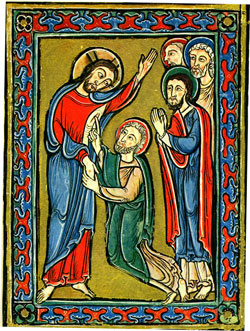
hemelvaart13_550

Wizerunek Wniebowzięcia (1516) z ołtarza w kaplicy Notre Dame de la Houssaye w Pontivy w Brytanii (Francja). Jezus właśnie znika z oczu obecnych. Jednak w tym samym momencie pozostaje wśród nich. Zwróćcie uwagę na odzianą w czerwone szaty postać, która spogląda na nas. To właśnie on.

Obłoki przyjmują
Zmartwychwstałego Chrystusa
Aby mógł królować
Nad światem Życia

Świadectwa o Nim
Szukamy na ziemi
Gdzie wody unoszą
Łaskę ducha

Poruszenia powietrza
I śpiewy ptaków
Opowiadają: w światłości
Ma On swoje mieszkanie.

A kwiaty czują
Płomienie miłości
Które zsyła im
Jako posłańców.

Umocnij miłość
Między sercami ludzi
O Panie chleba,
O dawco wina!

Abyśmy wznieśli swój wzrok
Ku światu, który przepełniasz
Swoim Duchem jak słońcem!

Posted in Wpisy po polsku | Tagged , , , , ,
Leave a comment

Beyond The Sky And Everywhere

Almighty God, whose blessed Son our Savior Jesus Christ ascended far above all heavens that he might fill all things: Mercifully give us faith to perceive that, according to his promise, he abides with his Church on earth, even to the end of the ages; through Jesus Christ our Lord, who lives and reigns with you and the Holy Spirit, one God, in glory everlasting. Amen.
Collect for Ascension Day from the 1979 BCP

For today’s feast we post a reflection by Michael Ramsey (1904-1988), the 100th Archbishop of Canterbury from 1961 until 1974, and a prayer from Meditative Prayers for Today by Adam Bittleston (1911-1989). Bittleston earned his degree in Oxford in philosophy, politics and economics. In 1935 he was ordained a priest in the Christian Community. He was a close friend of William Golding.

For the biblical writers and for much Christian thought in post- biblical times, heaven or the other world was a place beyond the sky. Thither Christ had gone up at his Ascension, and there the saints reigned with him in dazzling light. It was another world re­lated to this world astronomically, which really meant that it was part of this world.

Yet within this language of locality, just because it was language about God, there was present something which strained it and turned it into the symbol of realities which transcended locality altogether: the supremacy of Christ everywhere, and the union of Christians with God through him. The right hand of God meant no local activity, but a symbol of God’s sovereign power. The Ascen­sion of Christ meant a presence unrestricted: if he is here, he is there; if he is there, he is everywhere. God being “above” meant a relation no less describable as “within”. The spatial conception of the “other world” lingered, but the heart of Christian belief knew from the beginning that it was only using symbols for the God- Christ-mankind relationship beyond locality.

So the “otherness” of the other world is not that of a structure standing over against this world. It is the otherness of man’s life with God, invisible, present already, and leading to a destiny after death. Just as the approach to the belief in immortality is through belief in God (“God is the strength of my life and my portion for ever”), so man knows of and approaches the “other world” through fellowship with God, a fellowship which is the other world’s essential content.

That other world—heaven—has God’s own glory, reflected in his perfected children, as its very essence: quem nosse vivere est (whom to know is to live). Hence no language suffices to describe it, since to describe it is to describe God whose reflection it is.

Source: Margaret Duggan, ed., “Through the Year with Micheal Ramsey. Devotional Readings for Every Day”, London 1975, p. 100-101.

The prayer by Bittleston:

hemelvaart13_550

Depiction of the Ascension (1516) from the altar in the Notre Dame de la Houssaye chapel in Pontivy, Bretagne, France. Jesus is disappearing from the sight of the present. At the same time, however, he is among them (please note the figure in red clothing looking at us – it is him).

The clouds receive
The Risen Christ
That He may rule
The world of Life.

Witness of Him
We seek in earth
Where waters bear
The spirits grace.

The moving air
And songs of birds
Say in the light
He has a home.

And blossoms feel
The loving flames
He sendeth them
As messengers.

Between men’s hearts
Strengthen the love —
O Lord of bread,
Giver of wine!

That in the world
Thou fillest now
As Spirit-Sun,
We lift our sight!

Posted in English entries | Tagged , , , , , ,
Leave a comment

Gerettet von Sozialismus?
Uratowani przez socjalizm?
Saved by Socialism?

german_flagGestern war der Erste Mai. Zum feier des Tages ein Zitat aus dem umfangreichen Werk von Marion Gräfin Dönhoff. Schon passend, nicht wahr?

[...] man fragt sich, ob nun als nächster absurder Einfall der41AcbWUji2L._SL500_AA300_ Geschichte vielleicht der Kapitalismus zugrunde geht und von einem geläuterten Sozialismus gerettet wird. Das ist gar nicht so unvorstellbar, wie es klingt.

Gewiß, als wirtschaftliches System ist der Sozialis­mus im Wettstreit mit der Marktwirtschaft geschei­tert. Aber als Utopie, als Summe uralter Menschheits­ideale: soziale Gerechtigkeit, Solidarität, Freiheit für die Unterdrückten, Hilfe für die Schwachen, ist er unvergänglich.

polishFlagWczoraj był Pierwszy Maja. Z tej świątecznej okazji cytat z pokaźnego dorobku publicystycznego hr. Marion Dönhoff. Nieźle pasuje, nieprawdaż?

(…) człowiek się zastanawia, czy aby w ramach następnego absurdalnego pomysłu historii z kolei nie zginie z kapitalizm i czy ratunek nie przyjdzie ze strony oczyszczonego socjalizmu. To wcale nie takie niewyobrażalne, jak się wydaje. 

Oczywiście, jako system gospodarczy socjalizm poniósł porażkę w rywalizacji z gospodarka rynkową. Jednakże jako utopia, jako suma prastarych ideałów ludzkości: sprawiedliwości społecznej, solidarności, wolności dla uciśnionych, pomocy słabym, ma walor nieprzemijalności.

union-jack-stars-and-stripesYesterday was May 1. On this festive occasion a quotation from the impressive legacy of countess Marion Dönhoff. Quite appropriate, isn’t it?

one wanders whether, as a result of another absurd idea of history, capitalism won’t perish and whether succour won’t come from purified Socialism. This is not as unimaginable as it may seem. Of course, as an economic system Socialism suffered a defeat in competition with market economy. Yet as a utopia, the sum of ancient human ideals: social justice, solidarity, freedom for the oppressed, help for the weak, it is imperishable.

Posted in English entries, Wpisy po polsku | Tagged ,
Leave a comment

We’re Episcopalians!

We should actually change the description of our blog – since yesterday it’s no longer a blog of two Europeans fascinated with the Episcopal Church, but a blog of two members of the Episcopal Church. Last Sunday Bishop Pierre Whalon received us into the Episcopal church community. It took place at All Saints’ Episcopal Church in Waterloo, Belgium. This is our nearest Episcopal parish, even though it’s a considerable distance of 200 km away.

Perhaps this doesn’t sound very well, but we cannot actually write that we have pondered on this step for a long time. Commitment to the Episcopal Church has become for us, almost without us noticing it, something rather obvious. What remained was to choose a suitable occasion to formalize it. It occurred last week when we read on Facebook that the parish in Waterloo was to be visited by the Bishop. We immediately wrote to him and after a few days received his response:

We will receive you into the Episcopal Church this Sunday 11am in All Saints Waterloo Belgium. See you soon.

During the next few days we tried to convince ourselves that it’s a pure formality, for what will change in our lives? We certainly won’t travel 400 km each Sunday, so the congregation in whose liturgical life we will participate on the daily basis will remain St. John and St. Philip’s in the Hague, which belongs to the Church of England, and the ecumenical community where Pradusz ministers as a pastor, Kritische Gemeente IJmond. And of course we will continue traveling to Poland in order to support and facilitate the development of the Polish Episcopal Network. From a certain point of view nothing will thus change. Yet anxiety would grow. In the first place because it were to be at the same time our first encounter with a true Episcopal parish community. What will happen if we’re disappointed, if we won’t feel good there, if what we do won’t be received with understanding? Can you join a church with clean conscience and think deep down that you would like to escape from that place, the sooner the better?

We arrived in Waterloo at 10 o’clock. It turned out that the church is located nearby the famous battlefield. Even before we could introduce ourselves we were greeted very friendly. After meeting the Bishop and the rector, the Rev. Sunny Hallanan, and doing what had to be done in respect of administration, we sat in the church. The service followed the order we had known for years – from the internet and the liturgical of the Polish Episcopal Network. After the sermon came the long awaited moment. Since we both had been confirmed before, the reception itself was relatively short and rather simple (presentation and examination of the candidates, renewal of the baptismal covenant and prayers for the candidates), yet it was probably its simplicity that made it so powerful. When we thought we would be sent back to our seats, Bishop Pierre asked us to turn around and face the congregation and introduced us in a few words. We won’t quote his cordial and flattering words. And we don’t think they were directed only to us, but in a sense to all involved in the Polish Episcopal Network, whether they are considering to follow in our footsteps or want to continue supporting us while remaining members of other churches. So we realize that yesterday we received compliments that you all earned. But we cannot deny that it was a moment of satisfaction for all those long and often night hours of translating, for the tiering travels, and above all for the questions that was bothering us before  the Polish Episcopal Network was established, when we were writing this blog: what do we do this all for?

After the service came the time to meet the parishioners and see Waterloo. The doubts that bothered us were immediately dispelled. The congregation really consists of the most kind, hospitable and cordial people. One can hardly not feel at home there immedietely. If you happen to be in the vicinity of Brussels one Sunday, you have to visit All Saints’. We in any case case will try to be there as often as possible.

On a Facebook group there developed today a discussion on the sensibility of belonging to an institutional church. Is it really necessary, is it worthwhile to look for a congregation for oneself and risk disappointment? And is it at all possible to find a church with which one can identify, say that it is truly their? These questions, of course, must be answered by each of us alone. And what is our answer? Zbigniew Herbert, a famous Polish poet, wrote in his poem “U wrót doliny” that “we will be saved alone”. We can’t deny that sometimes one wishes it to be true, and yet at the heart of Christianity lies community. This community is neither a nameless mass nor an army obedient to the orders of its infallible commander. It is a community of people who have heard a voice – still and unimposing, yet firm – and decided to follow it, because they felt that this voice speaks to the deepest, most authentic layers of their being, that it enlivens them, motivates to action. Being in such a community is a challenge. Its essence consists not in befriending all its members. Everyone has the right, and even the duty, to define their own boundaries and protect them. A church community is not the same as a circle of friends. No one can be forced to more intimacy that they themselves consider appropriate. And yet we don’t walk alone. We are together even if there is a great distance between us; more, if there are epochs between us. We are together even when it’s difficult for us to define what this “together” actually means. “Because there is one bread, we who are many are one body, for we all partake of the one bread.” (1 Corinthians 10:17) The meaning of St. Paul’s words cannot be discovered otherwise but in community. Experiences of yesterday without a doubt revealed to us its new important dimension…

Posted in English entries | Tagged , ,
Leave a comment